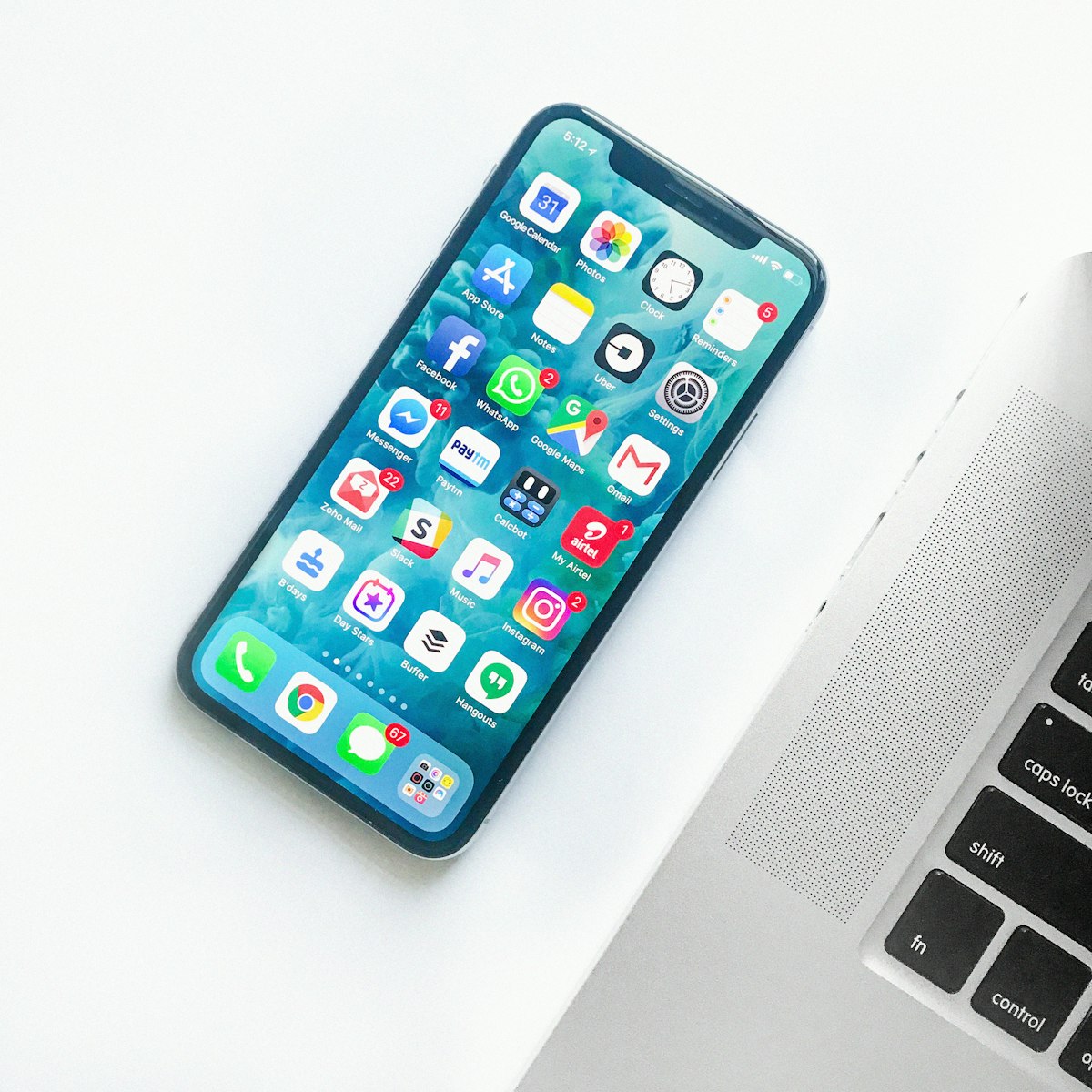
Canadian Apple Users Saw a Time Zone Prompt
On May 27, 2026, iPhone in Canada reported that Canadian users were seeing an Apple prompt for updated time zone information on iPhone, with similar prompts also appearing on Mac, iPad, and Apple TV. The report described the update as an over-the-air package that asks users to restart so new time zone definitions can apply. Apple support documents the same class of device behavior: if a message says updated time zone information is available, users should restart the device, and iPhone users should also restart any paired Apple Watch.
The Canadian Context Is tzdata 2026b
The most important upstream data change is IANA tzdata 2026b. IANA lists 2026b as the latest Time Zone Database release, and the tz announcement says its main impetus was British Columbia's move to permanent UTC-7 after its March 2026 spring-forward. The BC government says November 1, 2026 is when clocks would previously have fallen back but will now stay the same for most of the province. That is exactly the kind of future local-time rule that device vendors need to distribute before calendars, alarms, and scheduled events cross the old boundary.
Unix Timestamps Do Not Move
An Apple time zone definitions update does not change the Unix epoch, UTC instants, or stored timestamps. A log entry at a given epoch second still names the same moment. The update matters when software turns that instant into a local wall-clock label, or when a calendar stores a future local time in a region whose legal offset rules have changed. That makes the affected layer device-local display and scheduling, not the underlying UTC count.
The Risk Is Future Local Time
iPhone in Canada connected the prompt to recent Canadian provincial time-law changes and earlier reports of time zone jumps, calendar sync issues, and clock glitches. Even when the underlying timestamp is stable, stale local-time definitions can make future Vancouver appointments appear one hour off after November 1, or make devices disagree about which offset applies to a scheduled wall-clock time. The practical issue is consistency across phones, laptops, watches, TVs, servers, and web apps that all need compatible rule data.
What Developers Should Check
Keep using IANA region identifiers such as America/Vancouver instead of fixed offsets for future events, and keep UTC or Unix timestamps for exact instants. For Apple-heavy user bases in Canada, test calendar and notification flows after devices restart and apply the definitions update. For web and server code, retest dates around November 1, 2026 with current tzdata, ICU, browser, database, and operating-system packages. A device prompt is a reminder that timezone correctness is a supply chain: legislation changes tzdata, tzdata changes operating systems, and operating systems change what users see.